Monday, February 2, 2026
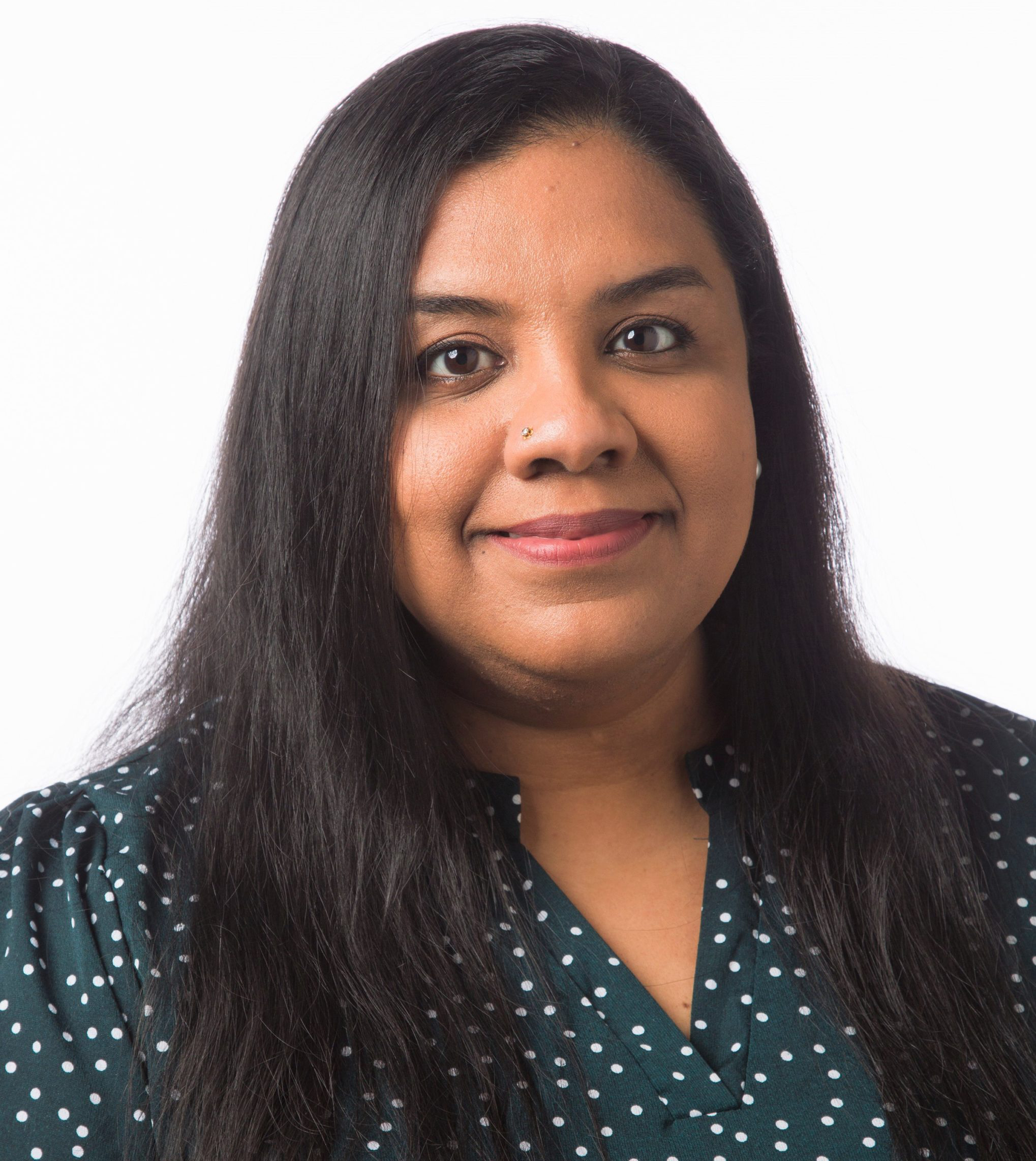 Dr. Malinee Neelamegam has received a Texas Alzheimer’s Research and Care Consortium Junior Investigator
Research Grant to launch a new community-engaged project focused on improving dementia
awareness and early screening among South Asian older adults and their families. The
project titled “Dementia awareness and screening in South Asians via community health
workers,” will develop and assess a culturally tailored approach that equips Community
Health Workers and trusted community-based partners to share dementia education, reduce
stigma, and help connect families to appropriate screening and support services.
Dr. Malinee Neelamegam has received a Texas Alzheimer’s Research and Care Consortium Junior Investigator
Research Grant to launch a new community-engaged project focused on improving dementia
awareness and early screening among South Asian older adults and their families. The
project titled “Dementia awareness and screening in South Asians via community health
workers,” will develop and assess a culturally tailored approach that equips Community
Health Workers and trusted community-based partners to share dementia education, reduce
stigma, and help connect families to appropriate screening and support services.
Meeting a growing community need in North Texas
North Texas is home to one of the country’s largest and fastest-growing South Asian communities. Yet dementia and other memory-related conditions can remain difficult to talk about often because of stigma, limited culturally relevant information, and uncertainty about what changes are normal with aging and what may signal something more serious. These barriers can delay screening and diagnosis, leaving families without answers, resources, or a clear path forward.
Neelamegam’s TARCC-funded research builds on insights from her earlier research and community work which shows that many South Asian older adults and caregivers are unfamiliar with dementia screening and may hesitate to seek help. They may view memory loss as an inevitable part of aging or feel uncomfortable which raises concerns. The result is a critical gap in awareness and access at the very moment early support can make the greatest difference.
A CHW-led pilot designed with the community, for the community
The project will bring together community voices and local expertise through a Community Advisory Council including CHWs, clinicians, older adults, caregivers, and community representatives to guide the development of training materials and ensure they are culturally responsive and practical for real-world use.
From there, Neelamegam and her team will pilot a CHW-led health education and support program for South Asian older adults and their informal caregivers in the Dallas–Fort Worth area. Over a structured series of sessions, CHWs will help participants better understand dementia, recognize early warning signs, and navigate next steps such as how and where to request screening and where to access follow-up resources and support.
A key goal is not only to increase knowledge but to build confidence, so families feel empowered to start conversations early, ask questions, and seek care without fear or shame.
“Too often, families notice changes but don’t have the language, support, or culturally relevant guidance to take the next step,” Neelamegam said. “This project is about meeting people where they are, through trusted community health workers, so earlier screening and support feel accessible, respectful, and normal instead of feeling scary or stigmatized.”
Neelamegam, a social epidemiologist with deep experience in community-engaged research, is steadily growing a research program focused on South Asian health, helping ensure this rapidly expanding population is included in the prevention and early-detection efforts that can shape long-term outcomes. Through this work, she is emerging as a leader in advancing culturally grounded approaches that strengthen trust, improve access, and translate research into meaningful community impact. She is joined on the grant by two key collaborators, Dr. Stacey Griner and Dr. Teresa Wagner, also from UNT Health Fort Worth College of Public Health's.
Building a model that can scale
While this award supports the development of this intervention, the long-term vision is bigger. To develop scalable, culturally tailored models that can be expanded to additional communities and settings across Texas. By addressing low awareness and high stigma, the project aims to strengthen the pathway from concern to conversation, helping families access resources sooner thus improving the broader dementia care landscape for historically underserved populations.
Acknowledgements
The research described in this announcement is made possible by the Texas Alzheimer's Research Consortium funded by the state of Texas through the Texas Council on Alzheimer's Disease and Related Disorders.
From UNT Health Newsroom - Research: by Maya McMillian